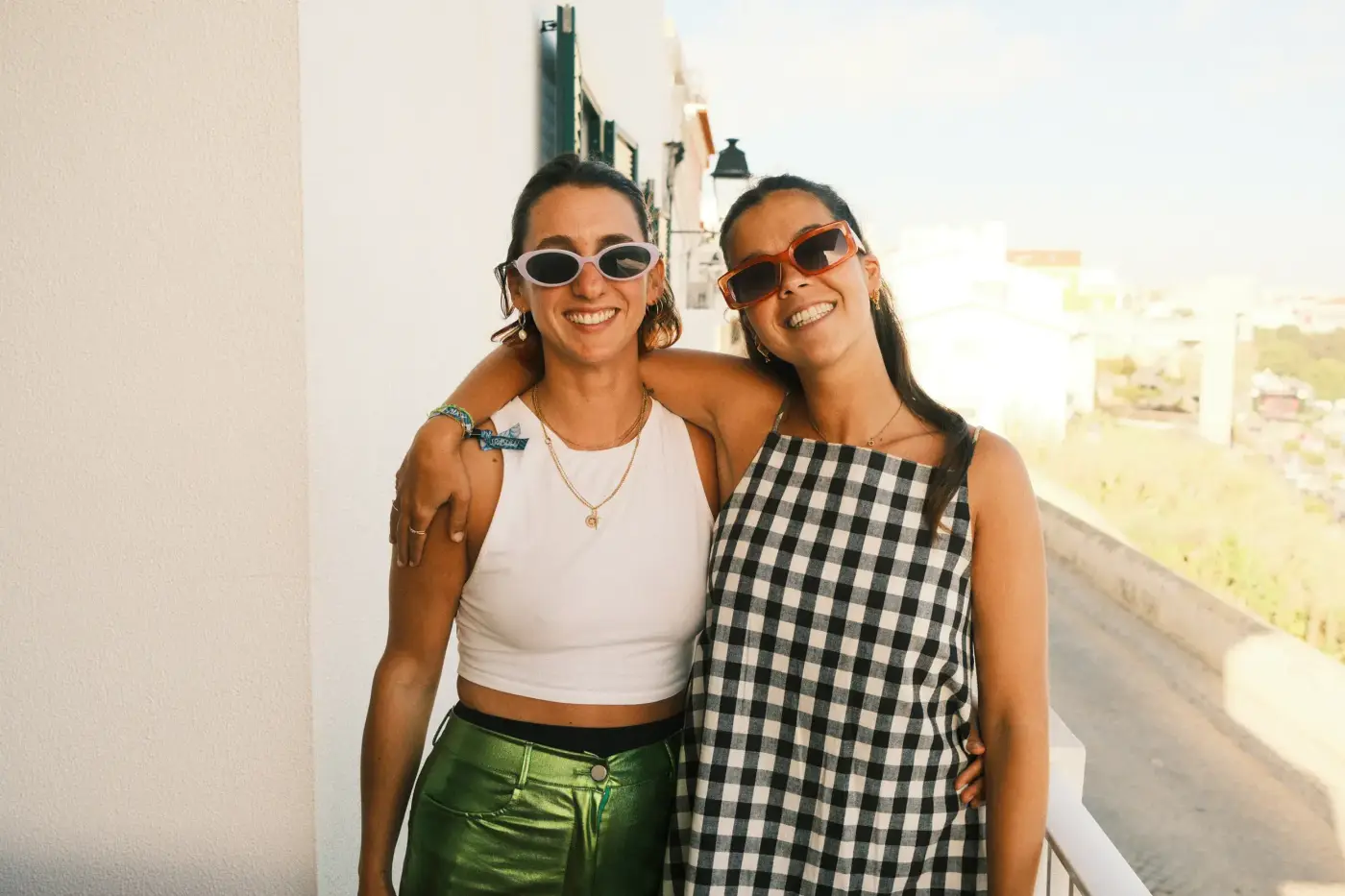
Not long ago, we discovered a family connection we knew nothing about.
We spent every summer in Sines and only ever drove through Santiago on the way to the family farm. It was the “CL” above the door of the little houses that got us asking questions.
Herdade do Cebolal, near Santiago do Cacém, was founded by our great-great-grandfather. We wanted to see it.
Our Great-Great-Grandfather, Caio Loureiro
It was Luís Mota Capitão, who runs the farm's project today, who told us the story.
Our great-great-grandfather, Caio Loureiro, was one of the region's entrepreneurs in his day. He founded Herdade do Cebolal, a rice husking and milling factory and a theatre-cinema in Santiago do Cacém. He also built the little houses, our Casinha de Santiago among them, and the carpentry workshop. The letters CL above the Casinha’s door are his initials.
Luís also told us who the little houses were built for: the “ratinhos” (little mice), workers who came from the Oeste region and were given that nickname because they were small. That's why the houses were built on a small scale. The whole neighbourhood was known as Caio Loureiro's neighbourhood, and the houses marked “CL” were for the people who worked on the family's farms. When we restored the Casinha de Santiago, we had to adapt it to the way we live today, opening the ceilings all the way up and choosing an open-plan layout. Only the downstairs bedroom keeps its original size.
That workshop eventually passed to Senhor Fernando, and it's the same one Inês is now restoring. We told that story here. Senhor Fernando still has his own space, where he helps lots of people with their projects, Inês included.
Hearing all this right there, on the land he founded, was special.
Wine, Honey, Olive Oil and Agroforestry
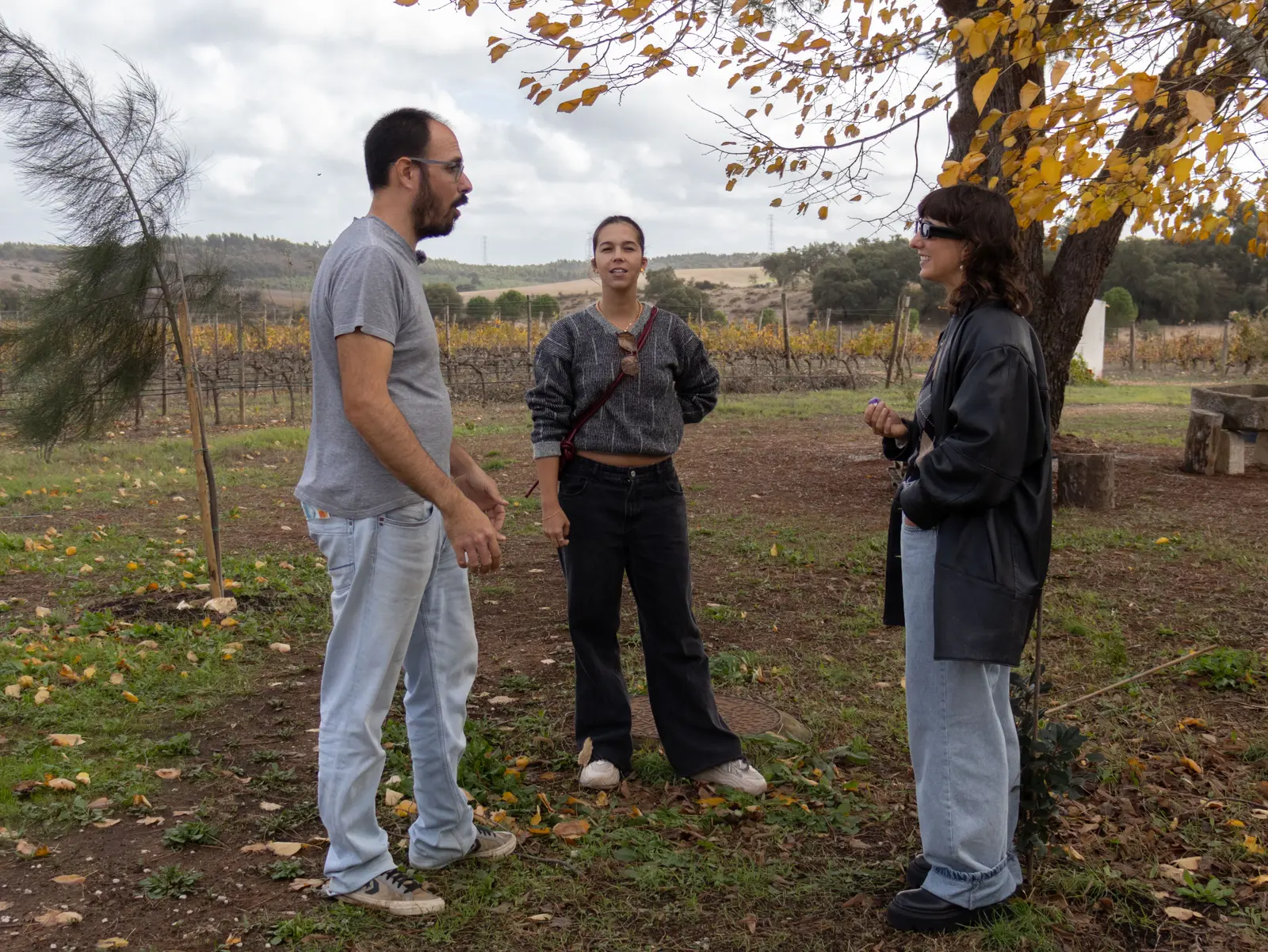
Luís met us under the trees next to the vineyard, and we spent the afternoon walking and talking.
Luís came to Cebolal in 2008, after studying biotechnology in Porto and ending up in winemaking. Today the farm has 15 hectares of vineyard, and the rest is forest: pine, Portuguese oak, Pyrenean oak, cork oak and holm oak.
He showed us the projects he's working on: wine, honey, olive oil and an agroforestry project, with young trees planted among the crops. People told him he was crazy, that the ground was rubble and nothing would ever grow there. Today it has strawberry trees, lavender, pomegranates, quinces and plums.
A detail that made us smile: the wood shavings from Senhor Fernando's carpentry workshop are used as mulch in Luís's agroforestry. The connections between these places carry on, in new ways.
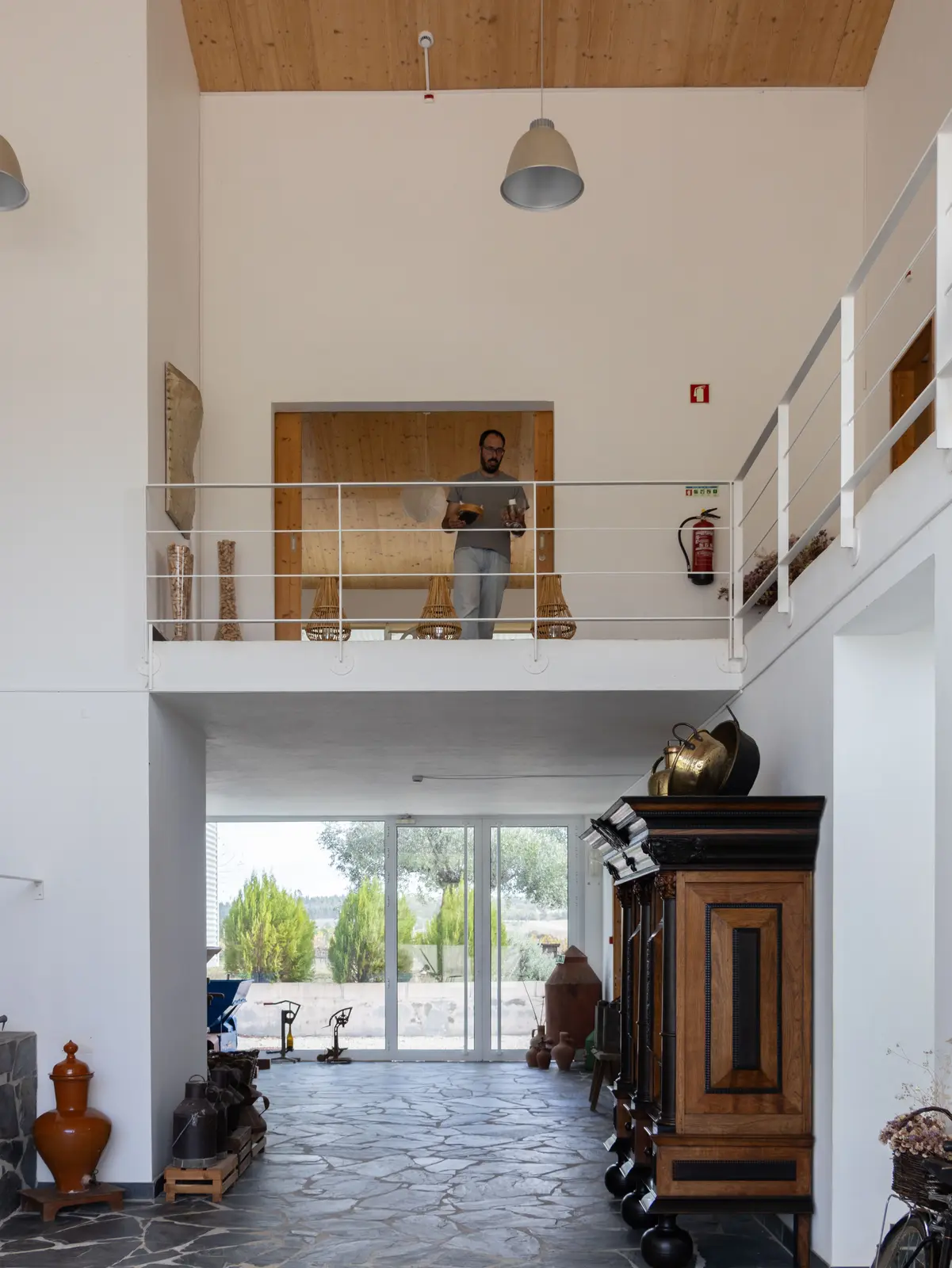
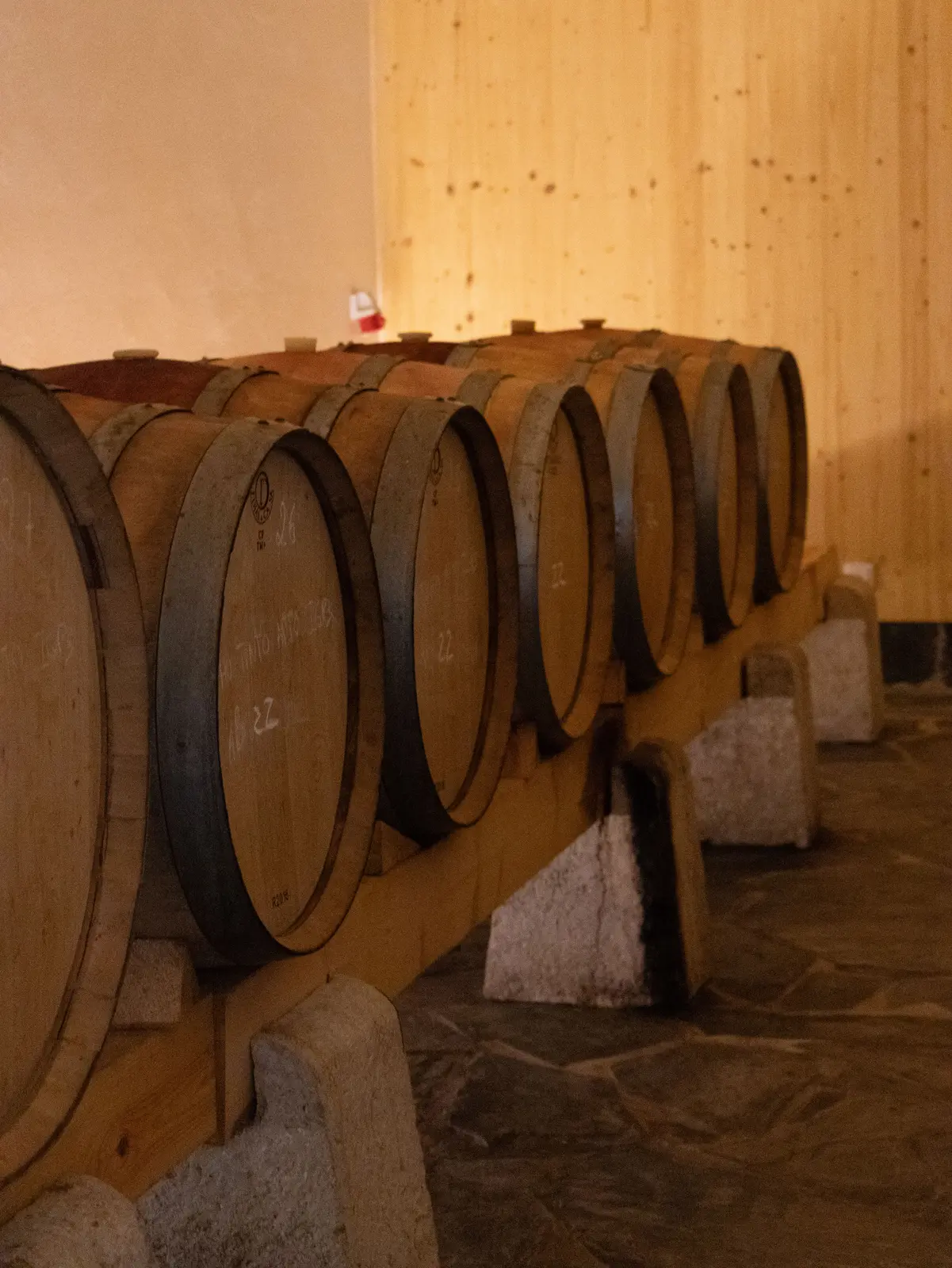
We walked through the winery, with Luís explaining every step. The grapes are trodden by foot in the lagares (stone treading tanks), and Luís tastes them before deciding where they go: wine, vinegar, aguardente (grape brandy) or pigment. Part of the wine stays in the steel tanks and part goes into barrels, for anything from one to eleven years, in one of three barrel rooms. The oldest is a 2015 Caios, the wine Luís named in honour of our great-great-grandfather.
A Conversation Over a Glass
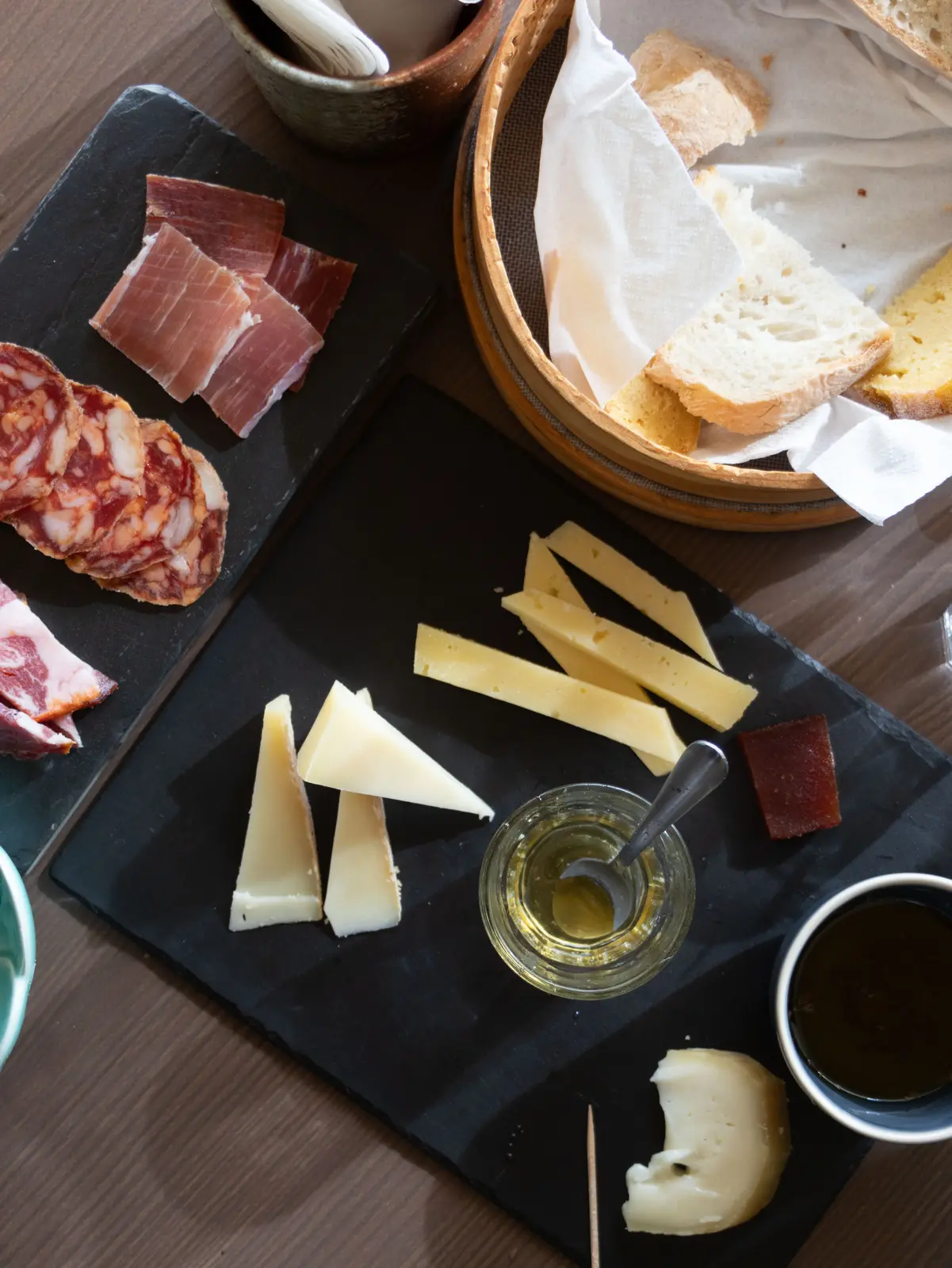
We ended up on the sofa with a glass of wine and a table of petiscos (Portuguese small plates): honey and quince jam from the farm, goat's cheese from Cercal, São Jorge cheese, Alentejo bread and broa (corn bread). All paired with Luís's wines and his explanations as someone who really knows the subject. We just listened, learned and, above all, enjoyed.
And Omar, Rita's dog, waiting for a crumb.
We went for the history, but we left with something else: the feeling that we share many interests with Luís, and a similar way of looking at this land.
Taking care of what already exists, taking our time, and giving new life to places with a story. That's what we try to do at the Manas houses, and it's what we found at Cebolal.
Go and Visit
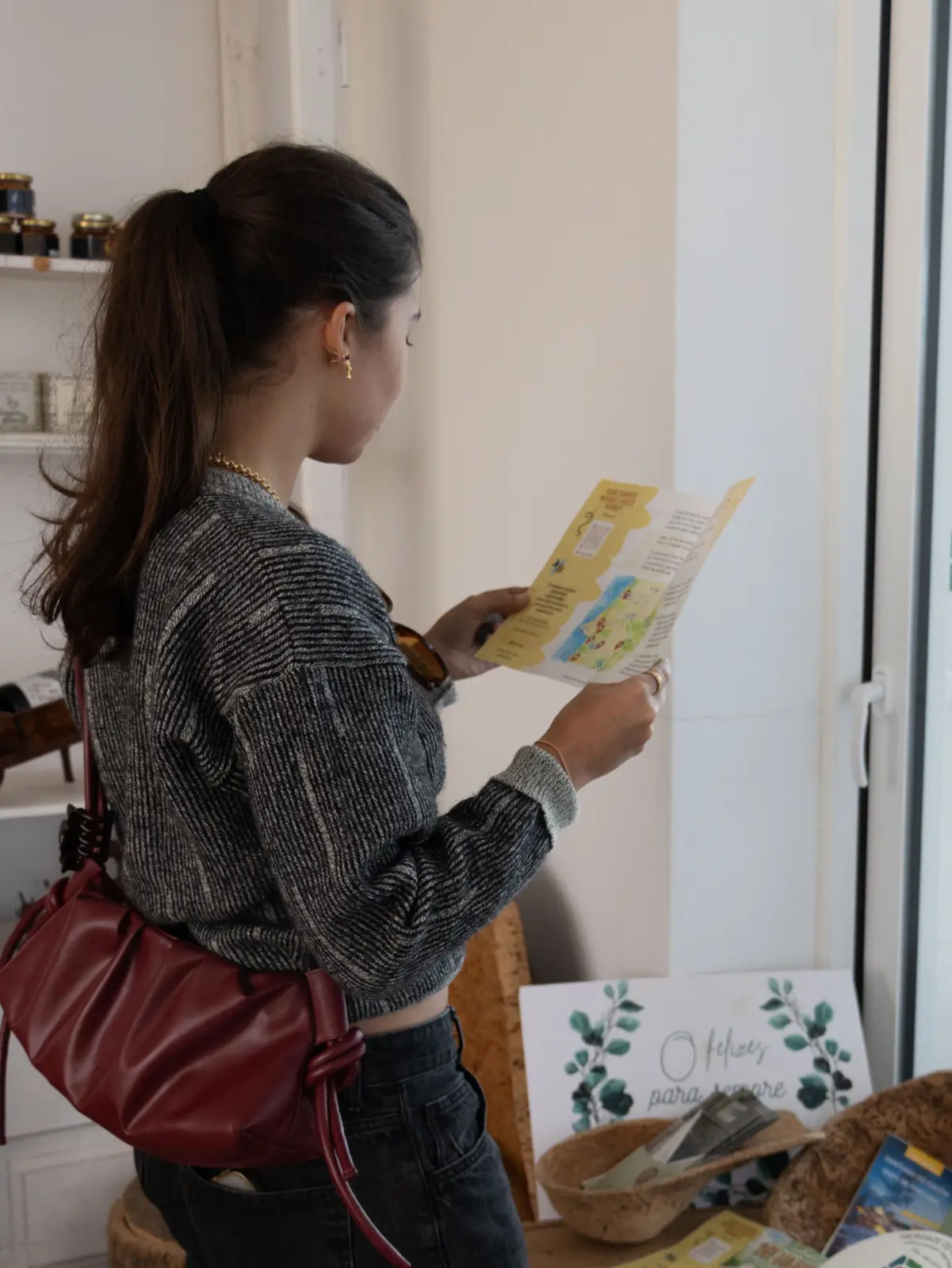
If you're staying in Sines or Santiago do Cacém, we recommend a visit to Herdade do Cebolal, and above all a conversation with Luís.
Visits and tastings are booked directly with Luís, by email (herdadedocebolal@gmail.com) or phone (+351 964 142 466).
Worth the visit, the history, the wine and the company. Thank you, Luís!