
Most people discover the Alentejo in summer.
Long beach days, warm evenings, the sea at its calmest.
But ask anyone who grew up here and they'll often tell you that autumn is when the region really shows itself.
The crowds are gone. The light turns golden. The first rains bring the fields back to life.
And across the countryside, families head out to the olive groves for one of the oldest rituals of the Alentejo year: the olive harvest.
A Landscape of Olive Trees
Olive trees are everywhere in the Alentejo.
Some stand in long, modern rows. Others are old and twisted, planted generations ago and still giving fruit.
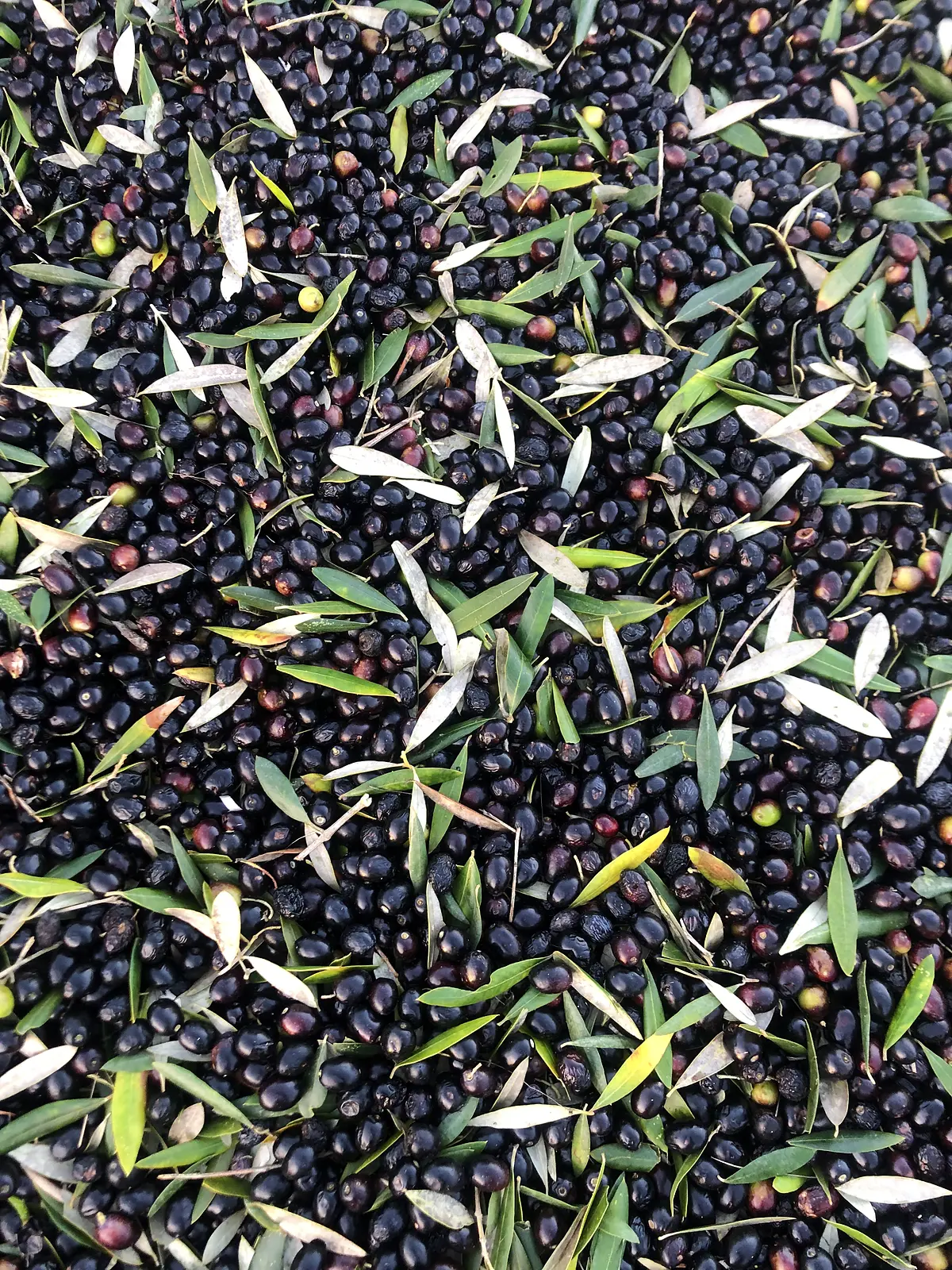
Our Santiago House sits among olive groves and cork oaks, and from late autumn the trees around it are heavy with fruit, turning from green to deep purple and black.
The Alentejo produces most of Portugal's olive oil, but here the harvest still feels personal. For many local families, it isn't just agriculture. It's a reason to get together.
How the Harvest Works
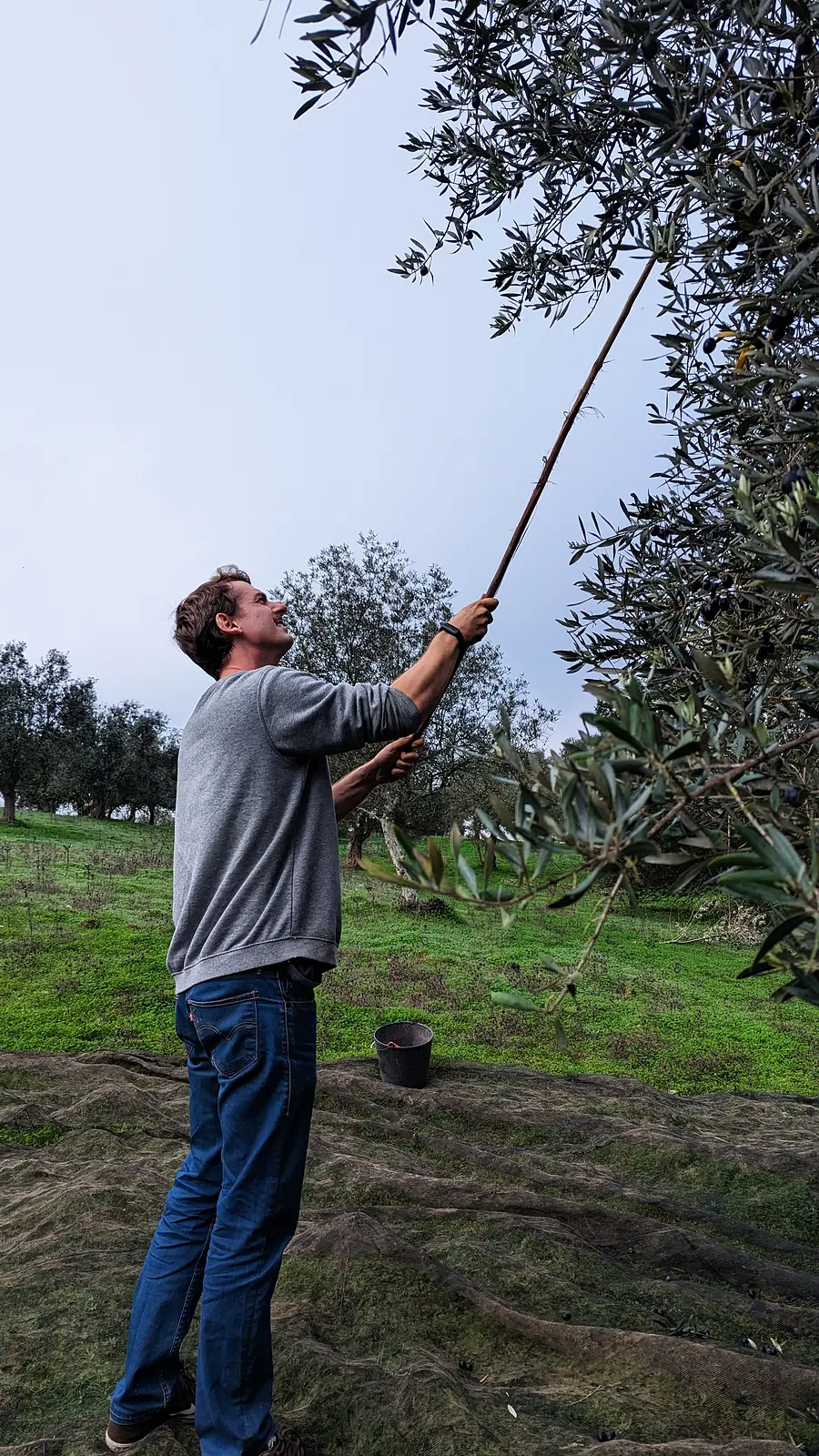
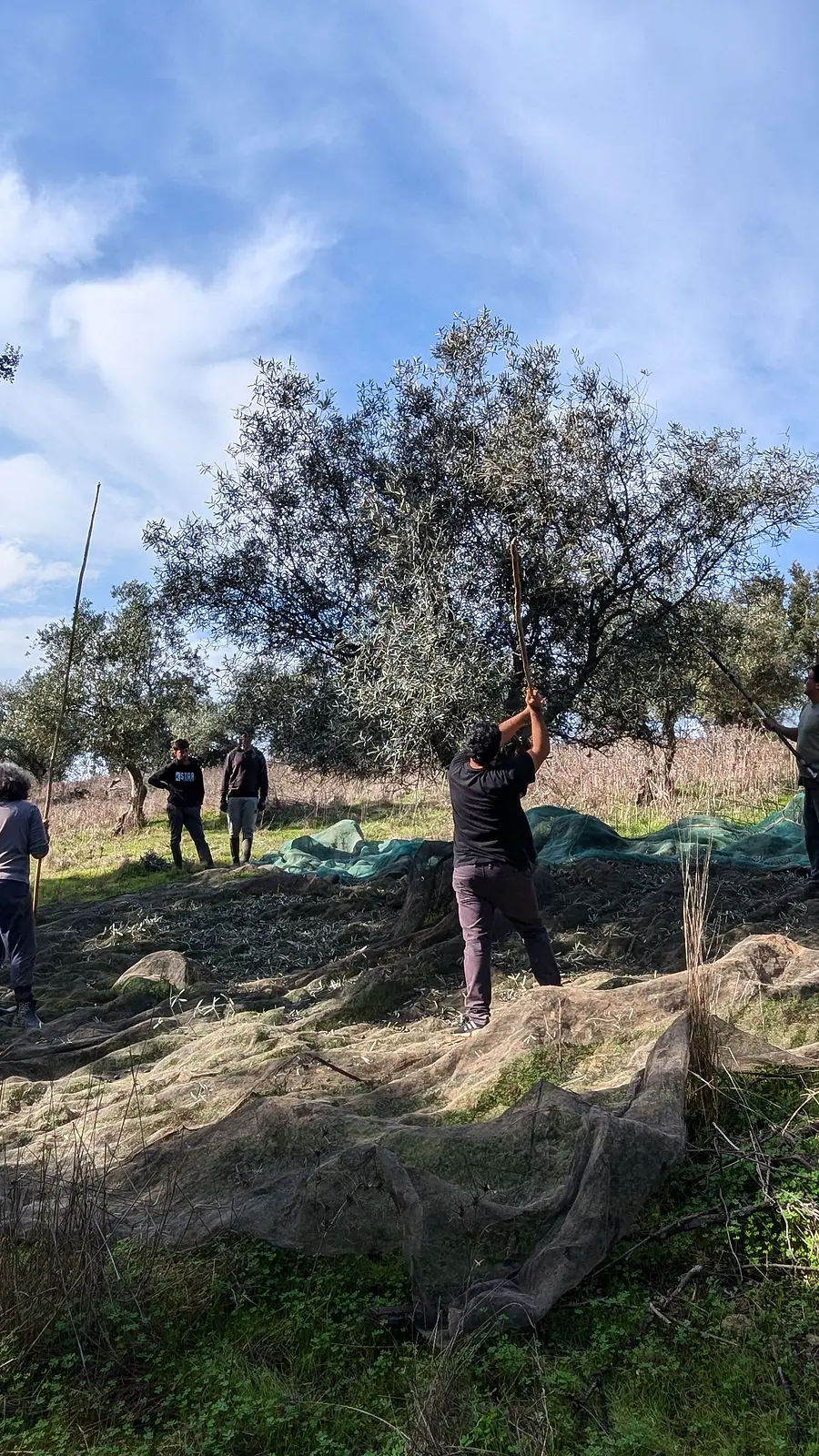
The traditional harvest is simple, and surprisingly physical.
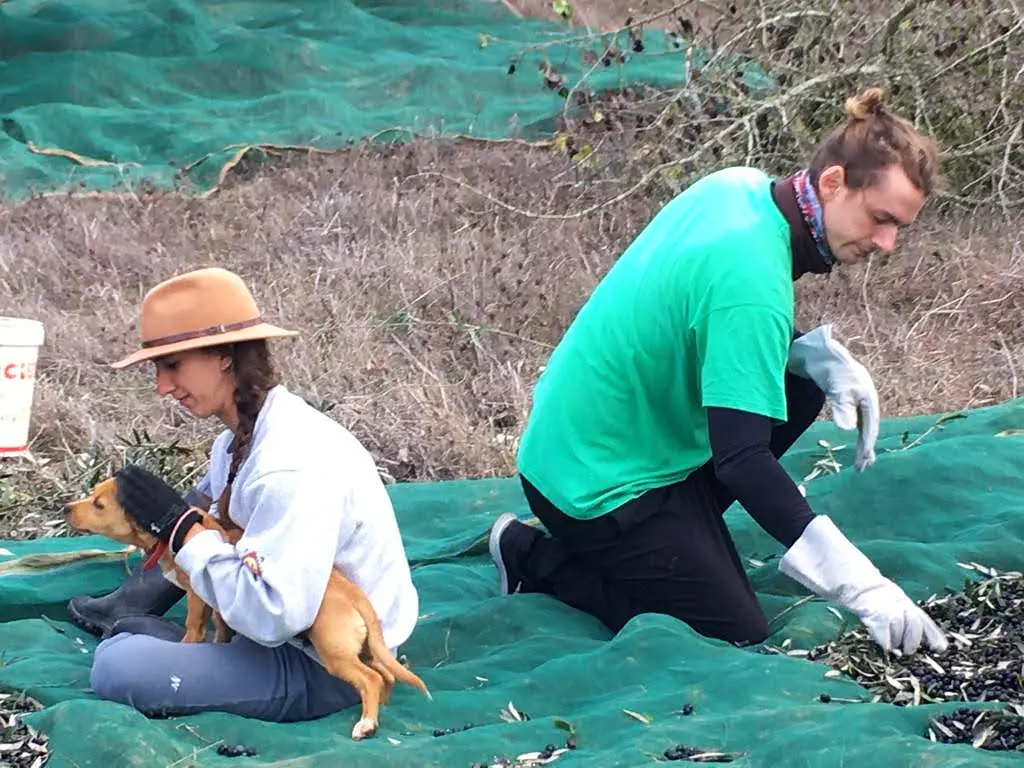
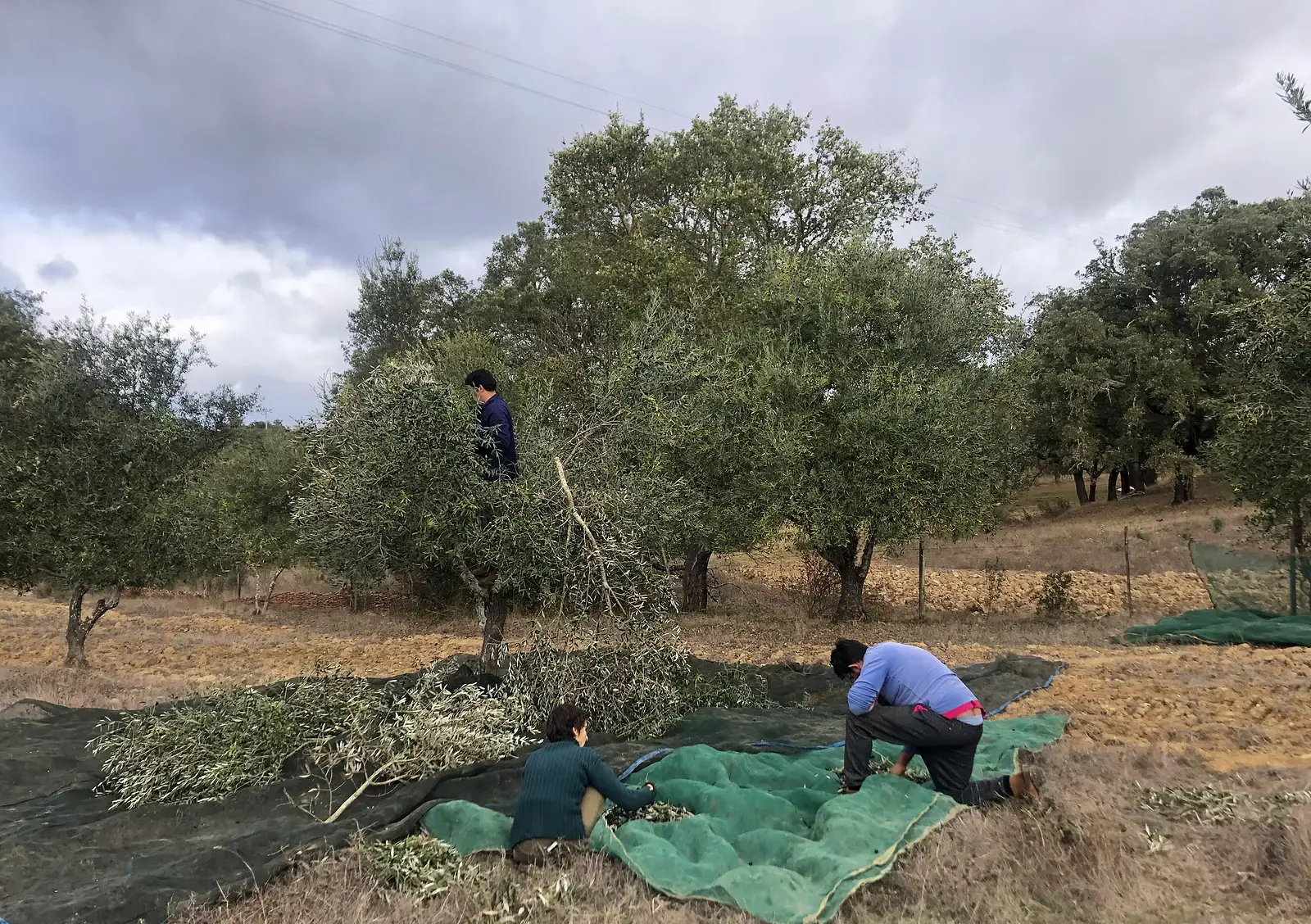
Large nets are spread on the ground beneath each tree.
Then the branches are shaken, or gently beaten with long poles, until the olives rain down onto the nets.
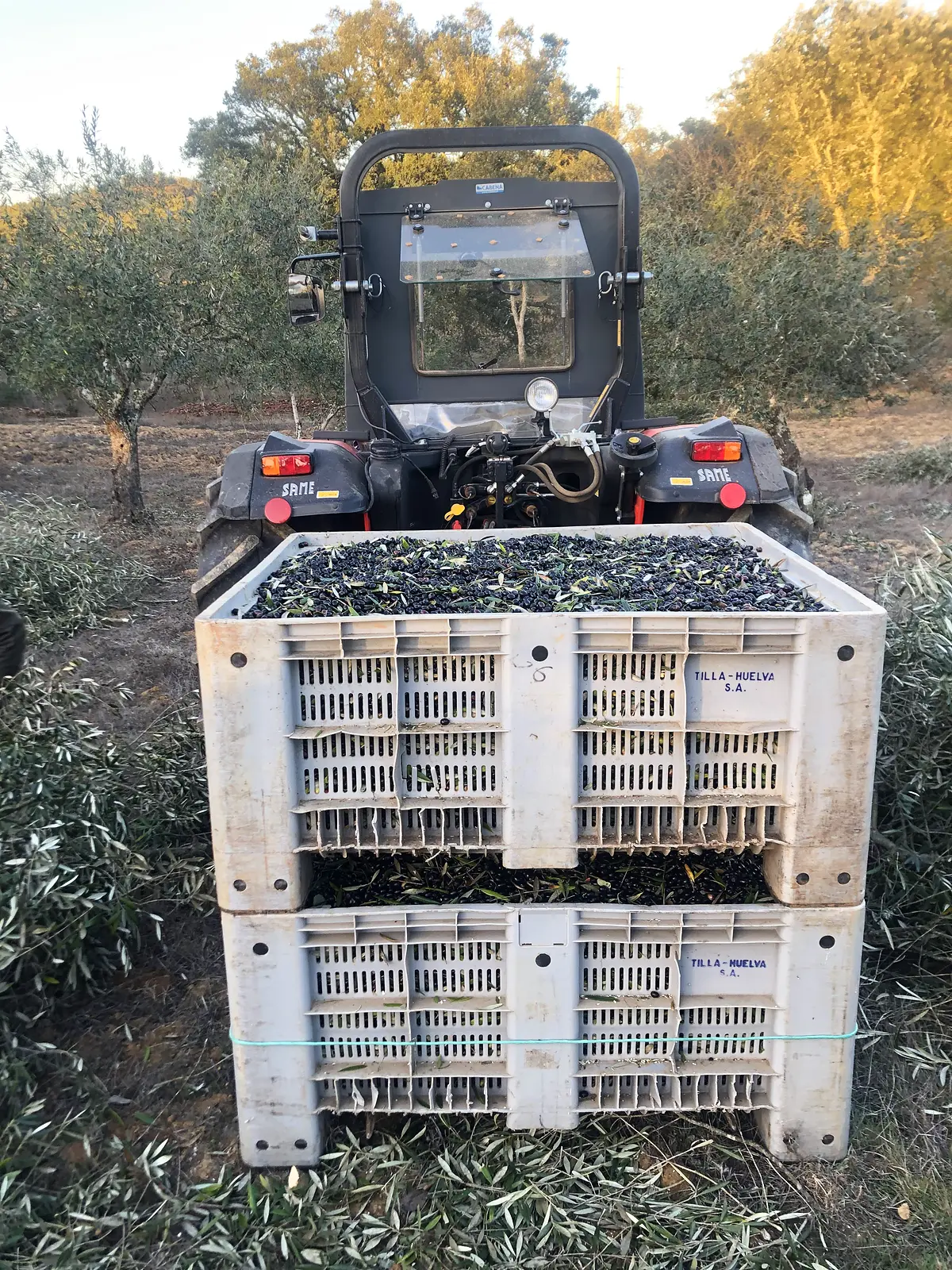
The nets are gathered, leaves and twigs are picked out, and the olives are poured into crates or sacks.
From there, they go to the lagar, the olive mill, as quickly as possible, because the fresher the olives, the better the oil.
It's slow, repetitive work, often done in cold mornings with muddy boots.
And yet there's something deeply satisfying about it.
“The olive harvest is a great excuse to spend a weekend in nature with family and friends. The work itself is manual and hard, but the constant cracking of jokes makes it light and enjoyable.”
The First Taste of New Oil
If there's one moment that makes the whole season worth it, it's tasting the new oil.
Freshly pressed olive oil is nothing like what most of us buy in the supermarket.
It's cloudy, bright green, peppery, and slightly bitter. It catches the back of your throat.
The best way to taste it is the simplest: a thick slice of toasted Alentejo bread, a pinch of salt, and a generous pour of new oil.
That's it. No recipe needed.
Experiencing the Harvest Slowly
The harvest season usually runs from October into December, depending on the year, the weather and the variety of olive.
You don't need to work in the fields to enjoy it.
Simply driving or walking through the countryside at this time of year, you'll see nets under the trees, families working together and tractors loaded with crates heading to the mills.
A few ideas for an autumn stay:
- Take a slow walk through the olive groves and cork forests around Santiago do Cacém.
- Look for local olive oil at the municipal markets and small grocery shops, and ask what's from this year's harvest.
- Order bread and olive oil at a traditional tasca and taste the difference.
- Pair it with a visit to a cork farm.
Why Autumn Is Perfect for a Slow Stay
Autumn is when the Alentejo slows down even more.
Beaches are empty but the sea is often still warm enough for a swim or a surf.
Restaurants have space. Locals have time to talk.
And evenings are made for the fireplace at the Sines House, or a quiet dinner surrounded by the olive trees at the Santiago House.
If you've only ever seen the Alentejo in summer, this might be the season that surprises you most.