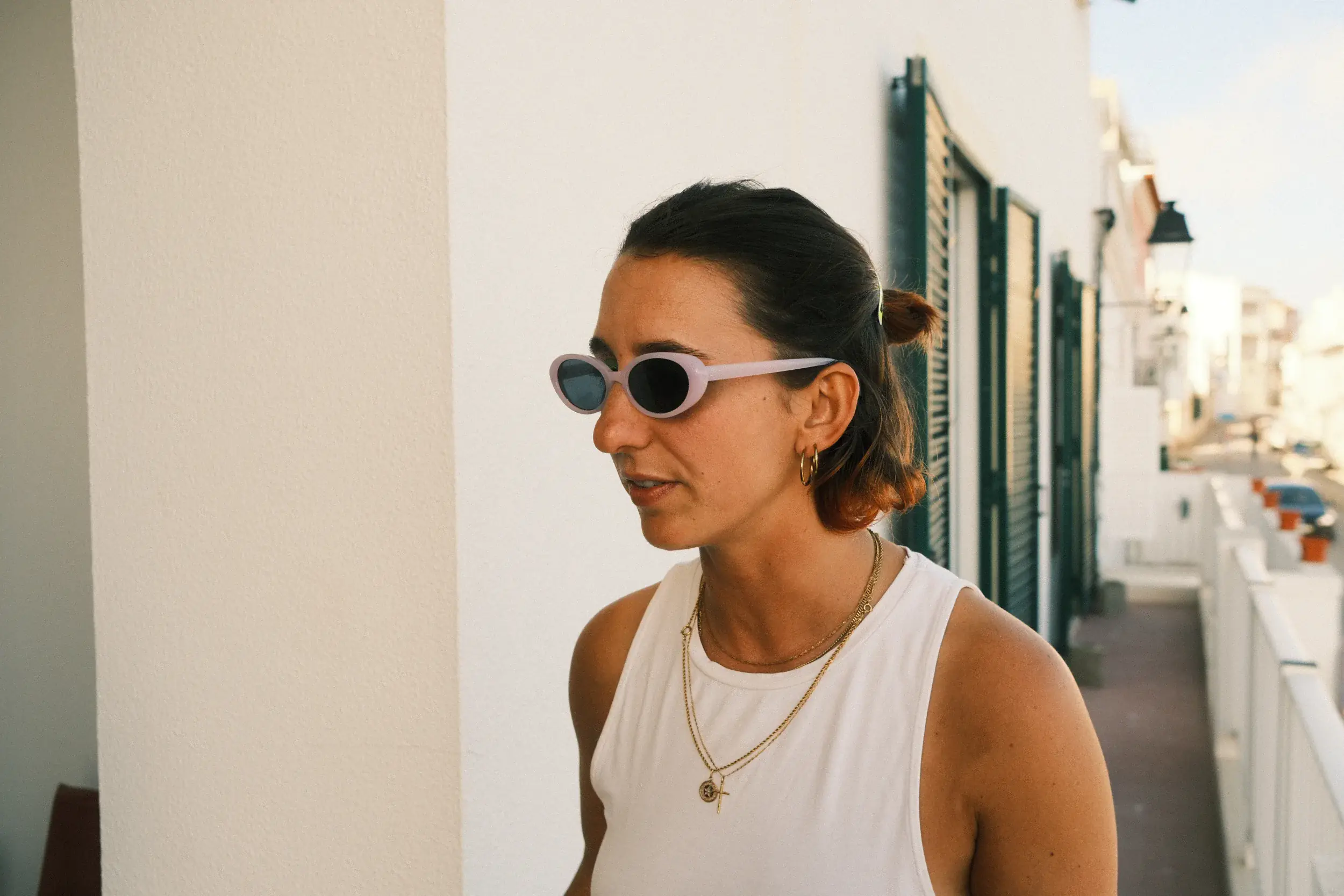
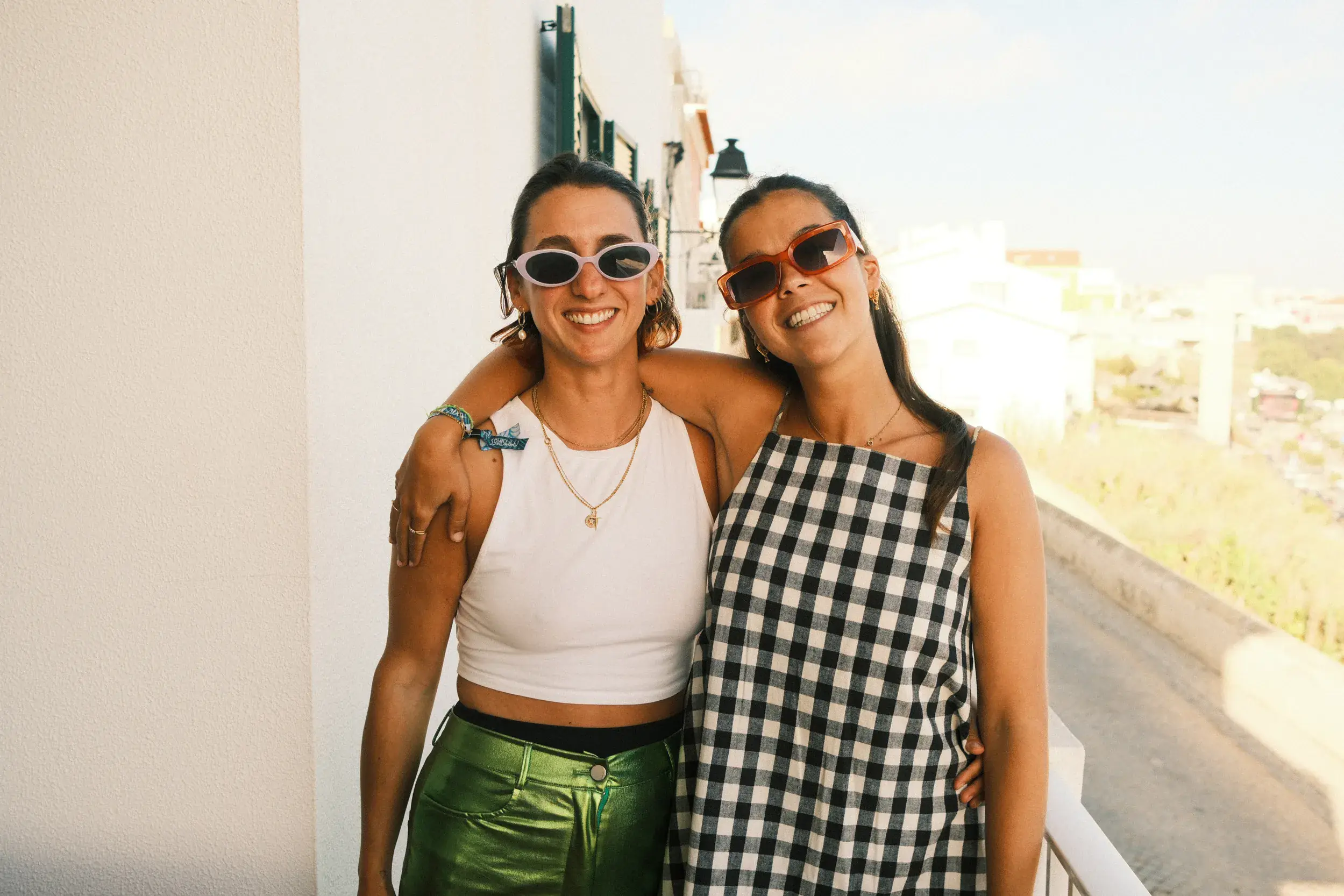
On October 1st, 2026, Manas Slowliving celebrated its fourth birthday.
What started in 2022 as an experiment in coliving in Sines, a small coastal town in Portugal's Alentejo region, has grown into two holiday homes welcoming families, friends, remote workers, creative retreats and teams.
But the journey hasn't exactly been a straight line.
Over the past four years, we've renovated houses, welcomed people from around the world, experimented with different ways of hosting, questioned our business model, learned new skills and changed direction more than once.
Looking back, perhaps the biggest lesson has been learning to let Manas evolve.
Here's how it all happened.
2022: Leaving Everything Behind to Start Manas in Sines
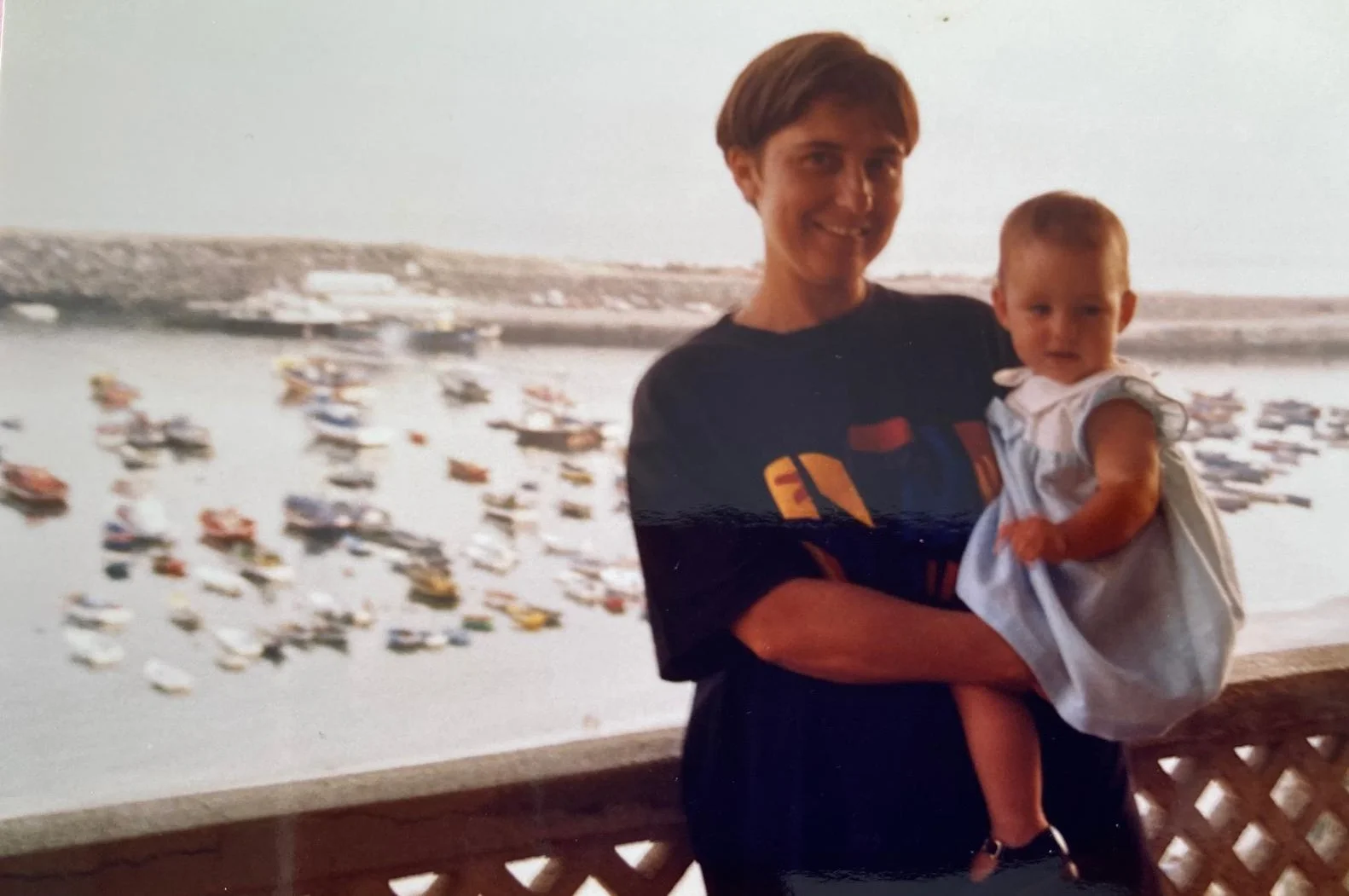
In April 2022, I quit my job and moved to Sines to start building Manas.
I'd spent years working in the technology industry, but I wanted to create something different. Something that would allow me to spend more time near the ocean, reconnect with the place where I'd spent so many childhood summers and explore a different relationship between work and everyday life.
The idea was to transform our family's holiday home into a place where people could live, work and spend time together.
Before committing to renovations, I invited some colleagues from my previous job to spend time in the house.
They became our first prototype group.
It was an opportunity to test the concept, understand how people used the space and imagine what the house could become.
Then came the renovations.
With a limited budget and my savings invested in the project, we had to prioritise. We couldn't fix everything, so we concentrated on what was essential and did as much work as possible ourselves.
On October 1st, 2022, Manas officially opened its doors.
A month later, we welcomed our first corporate group. In December, our first coliving guest arrived.
Suddenly, the idea we'd been working on was a real business.
2023: Coliving, Community and the Beginning of Something Bigger
For the first two years, we lived in the Sines House alongside our guests.
This was the original Manas experience: a shared home where people could work remotely, explore the Alentejo coast, cook together and enjoy everyday life in Sines.
We hosted friends, shared meals, discovered new places and spent plenty of time surfing.
That first winter also marked the beginning of my longboarding journey, which quickly became another important part of my life here.
But 2023 also brought two developments that would change the future of Manas.
Discovering the Santiago House
In April 2023, I visited another family house in nearby Santiago do Cacém and immediately started imagining its potential.
It was smaller, quieter and surrounded by a different kind of Alentejo landscape.
While Sines offered proximity to the ocean and a lively coastal town, Santiago could become a peaceful home for couples, families and people looking for a more secluded experience.
The idea of a second Manas house was born.
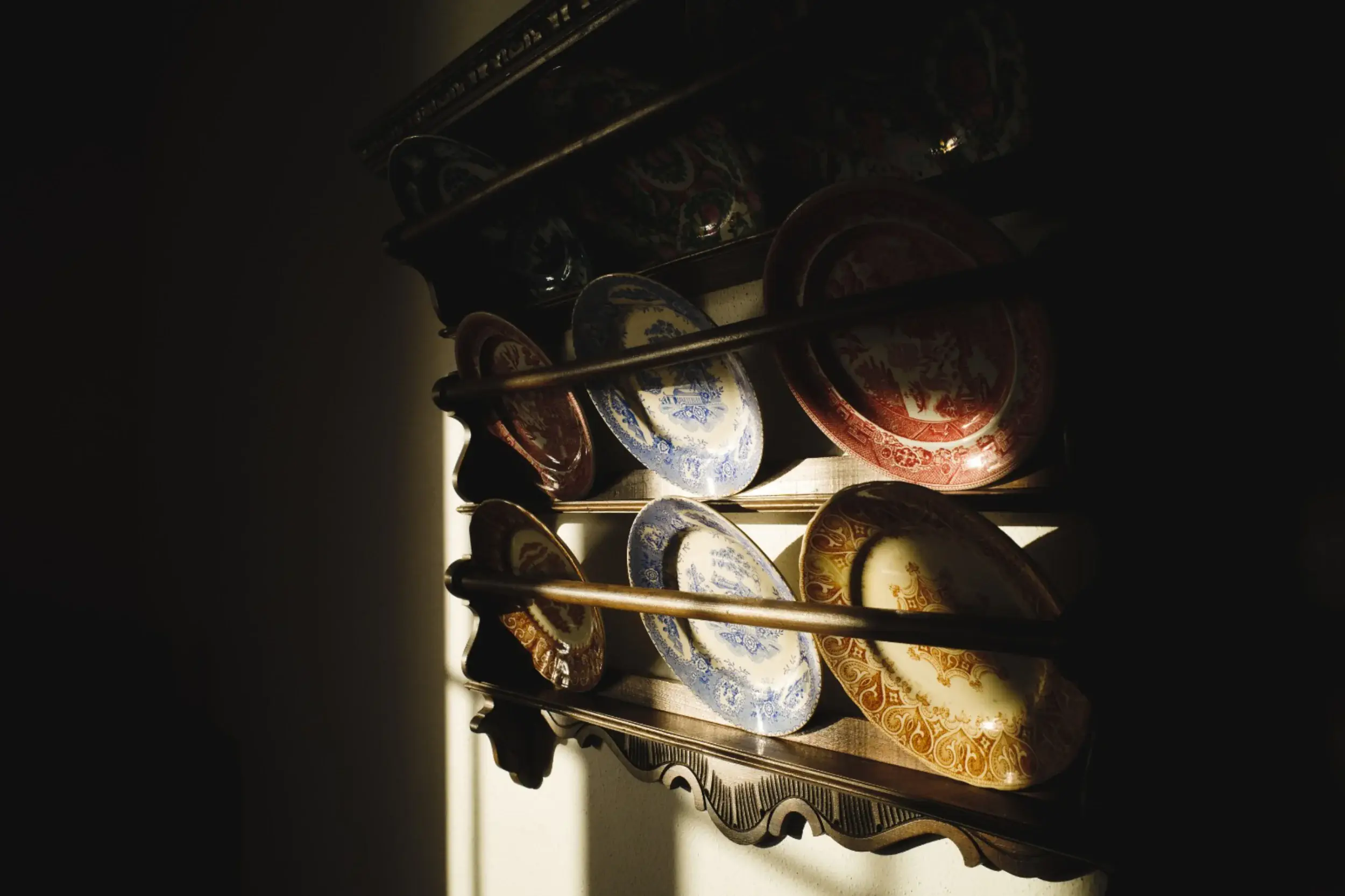
Discovering a Passion for Furniture Restoration
That summer, I started experimenting with restoring old furniture.
What began with a couple of small projects quickly turned into a new passion.
I loved the process of taking something worn or forgotten and making it useful again, especially when it meant preserving pieces that already had a history.
At the time, I didn't realise how important those skills would become for our renovations.
We also experimented with our first hosted residencies, discovering new ways to bring people together around shared interests and creative projects.
2024: The Year We Reinvented Manas
2024 was probably the biggest turning point in our story.
After two years of living with guests, we moved out of the Sines House.
We also decided to close the original coliving chapter and explore a different model.
Instead of primarily hosting individual remote workers, we began focusing on exclusive group stays, retreats and accommodation for teams temporarily working in Sines.
At the same time, we started renovating the Santiago House.
It was an ambitious transition for a small business.
We were investing time, energy and money into a second property while simultaneously changing how our first property operated.
Many of the assumptions we'd made when starting Manas were challenged.
There were difficult moments when we questioned whether the new direction would work.
But we believed in the potential of creating homes that could accommodate different ways of living, working and spending time together.
So we kept going.
Looking back, I'm proud that we allowed the project to change rather than holding on to our original idea simply because it was where we'd started.
2025: Renovating Two Houses and Welcoming New Experiences
If 2024 was the year of reinvention, 2025 was the year of building.
Both houses needed considerable attention.
Making the Sines House Ready for Year-Round Stays
The Sines House had originally been built as a family summer home.
For decades, it hadn't experienced the intensive year-round use that came with running Manas.
Winters revealed problems that were impossible to ignore, particularly rain entering through old windows and parts of the roof.
With the support of our family, we began making the structural improvements needed to protect the house and make it more comfortable throughout the year.
We replaced windows, repainted rooms, improved furniture and continued addressing problems one by one.
Our First Retreat and First Santiago Guests
April 2025 brought another milestone: our first retreat.
It was wonderful to see the Sines House being used as a space for people to connect through shared activities and experiences.
Read about our first retreat at Manas
In June, we welcomed our first guests to the Santiago House.
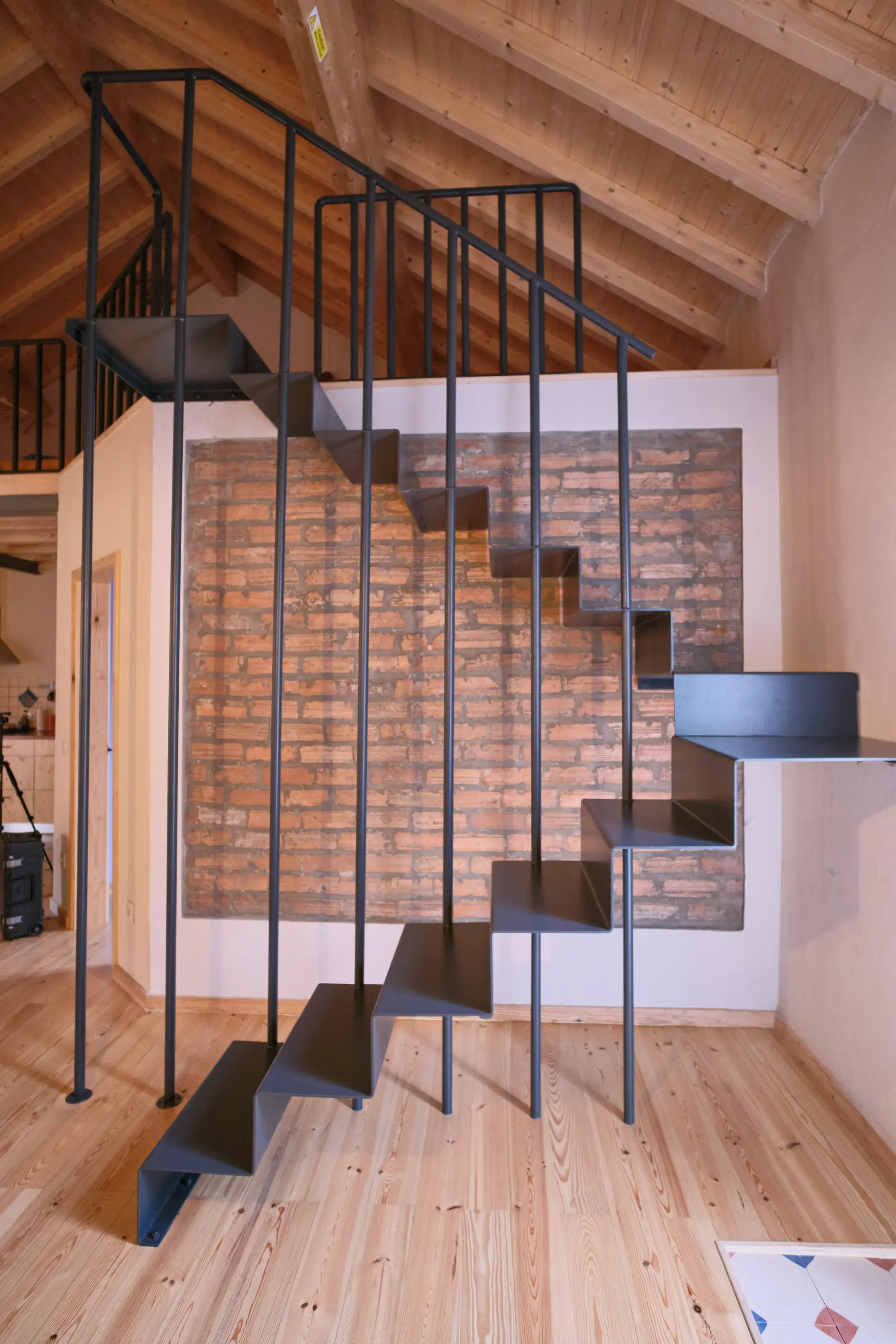
By July, we'd completed another major milestone in the renovation: installing the staircase to the mezzanine.
After more than a year of work, it was exciting to see the second house finally come together.
Learning to Build Things Ourselves
Meanwhile, my interest in furniture restoration continued to grow.
I took a furniture restoration course in Lisbon and started spending more time working on my own projects.
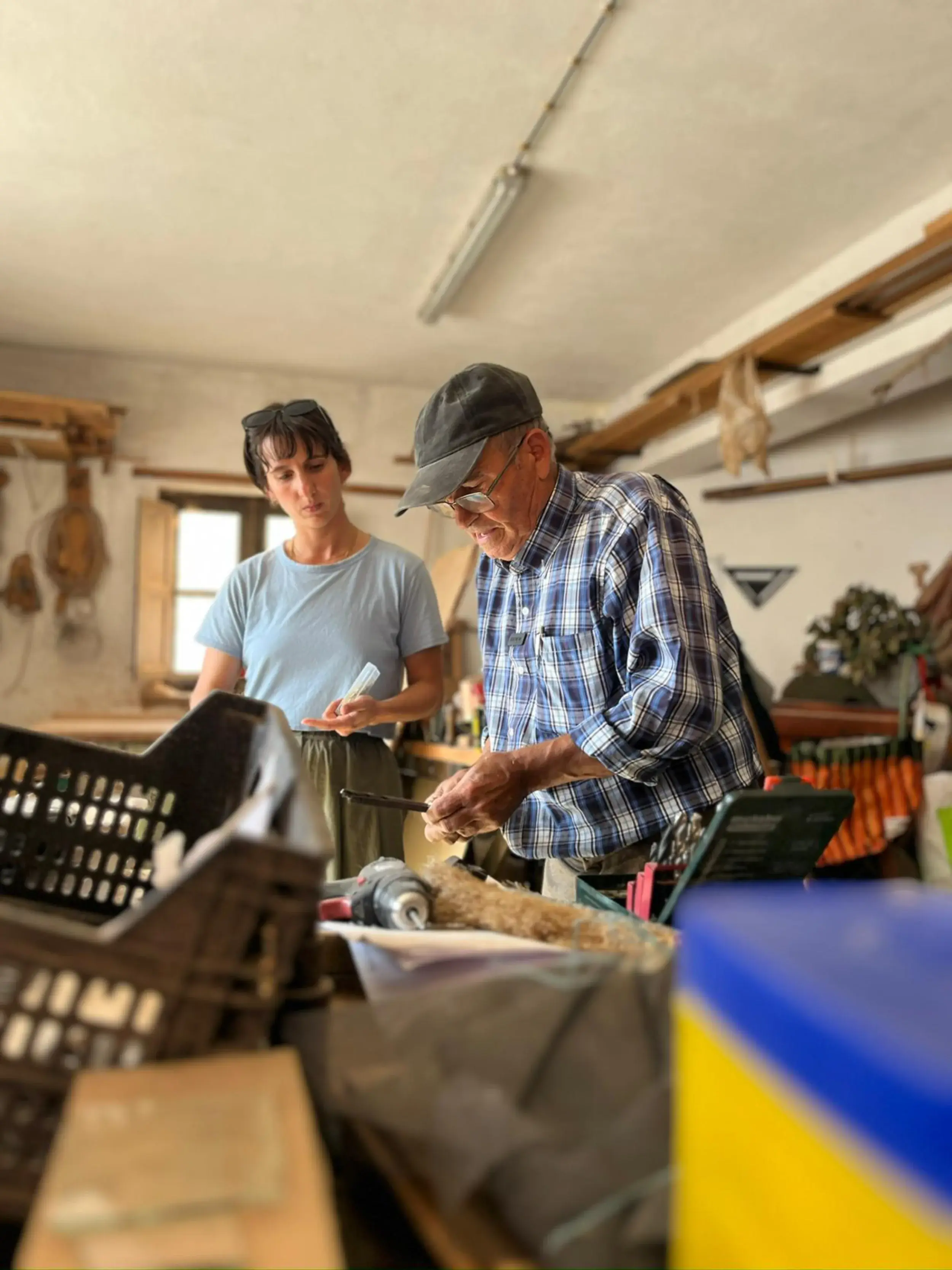
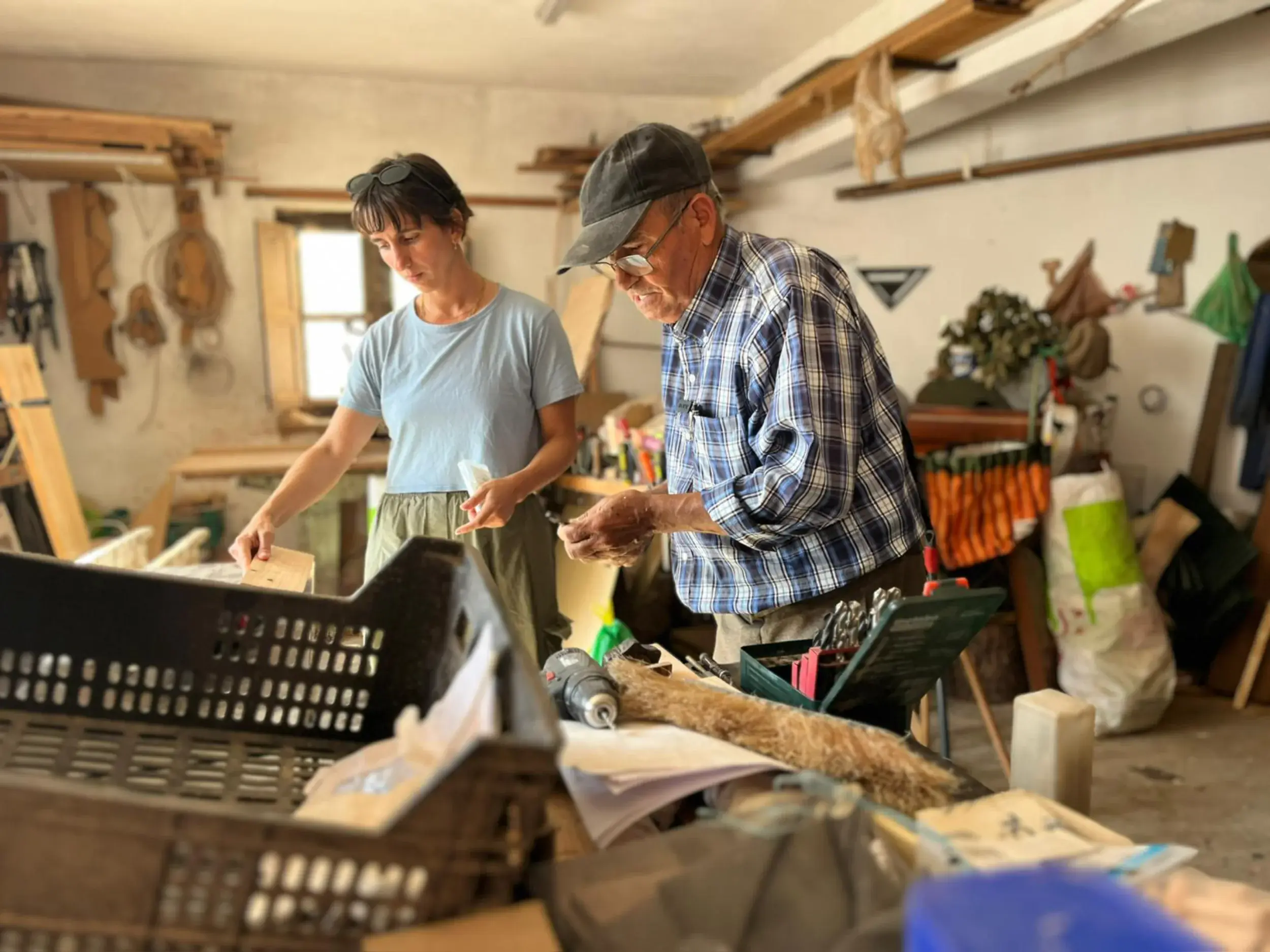
Later that year, I began learning carpentry alongside Senhor Fernando, a local craftsman whose experience and generosity have taught me an enormous amount.
What started as a practical necessity—repairing and improving furniture because we couldn't afford to replace everything—had become something I genuinely loved doing.
And it continues to influence how we develop the houses today.
2026: Four Years Later, Things Are Starting to Click
This year has felt different.
After several years of experimenting, changing direction and investing in improvements, we began to see encouraging signs that our hard work was paying off.
More people discovered Manas.
Guests returned.
And the feedback we've received has been incredibly rewarding.
For the first time in a while, it started to feel like the decisions we'd made during the more difficult years were coming together.
Of course, we're still building.
One of our biggest projects this year was the renovation of the coworking roof in Sines.
For years, the space had suffered from water leaks caused by an unsuitable roof-window installation. Every winter brought buckets, covers and more damage.
After four years of postponing the permanent solution, we finally invested in rebuilding the roof and installing a new central skylight.
The result is a brighter, more welcoming coworking space, with a view of the sky.
We're hopeful that this winter will finally be a dry one.
And there's still one major improvement left on our list.
Somehow, even after four years, the renovation projects never seem to end!
What Four Years of Building Manas Have Taught Us
When we started Manas, I had a fairly clear idea of what the business would look like.
Four years later, it's something quite different.
We've learned that building a small hospitality business involves much more than preparing a beautiful house and welcoming guests.
It's about adapting to what works, recognising what doesn't, and finding the courage to make changes even when you've already invested so much in the original plan.
We've learned to renovate, restore furniture, solve unexpected problems and ask for help when we need it.
We've also learned that creating a slower way of living doesn't mean doing less or avoiding hard work.
Sometimes it means investing enormous amounts of effort into building a life and a business that feel meaningful to us.
And perhaps most importantly, we've learned that changing direction doesn't necessarily mean you've failed. Sometimes it means you've learned enough to see a better way forward.
Manas Today: Two Different Homes on Portugal's Alentejo Coast
Four years after opening, Manas Slowliving offers two distinct ways to experience this part of Portugal.
The Sines House: Coastal Living, Group Stays and Retreats
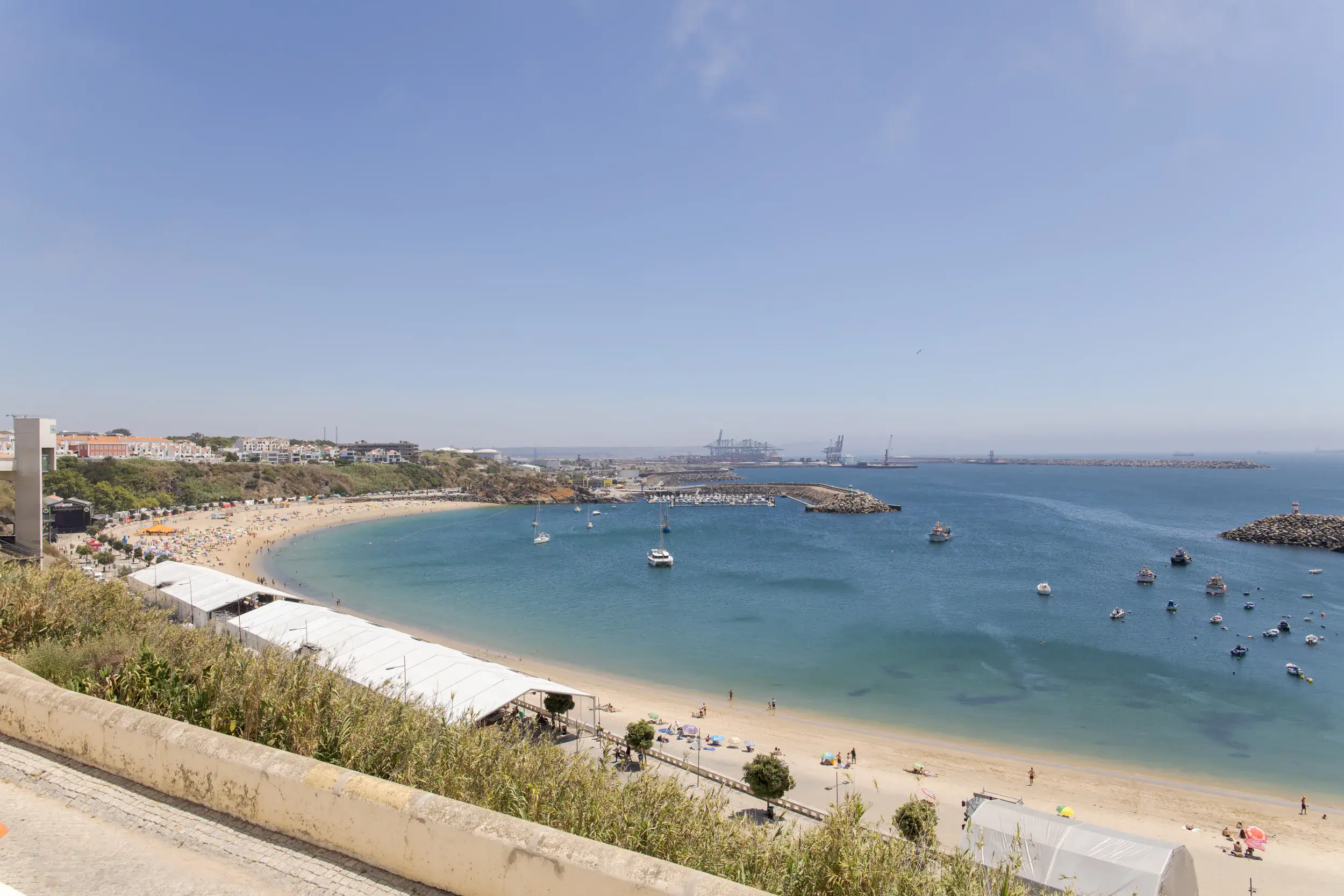
Our original house in Sines is now available for exclusive group stays, retreats and accommodation for teams working in the region.
With space for up to 14 guests, a coworking area, shared living spaces and an ocean-view balcony, it's a place designed for spending time together.
Whether it's a group of friends reconnecting, a team working on a project or a retreat bringing people together around a shared interest, we want the house to feel welcoming and comfortable.
Explore the Sines House
Explore the Sines HouseThe Santiago House: A Quiet Escape in Santiago do Cacém
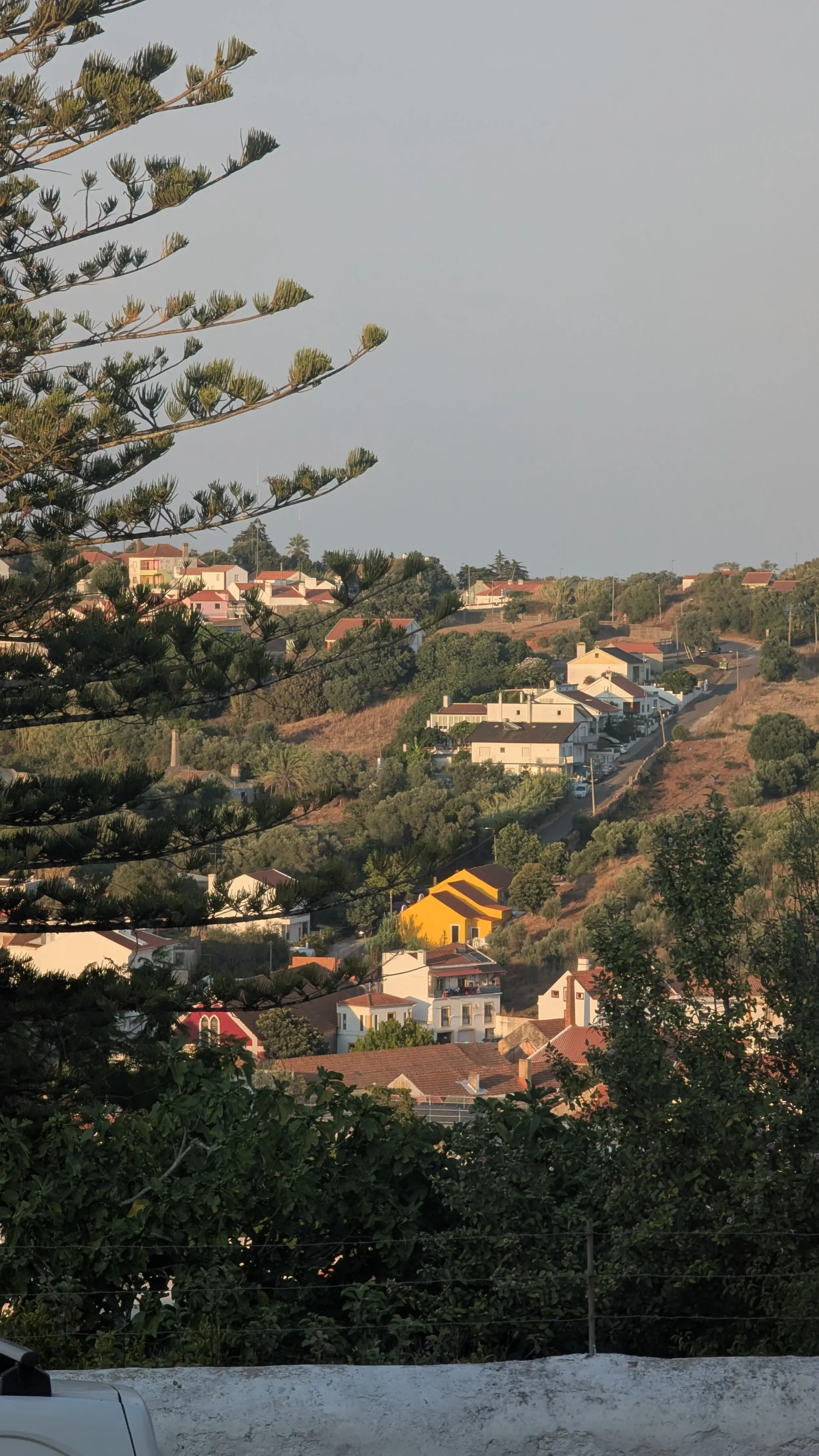
Our second house offers a different experience.
Located in Santiago do Cacém, it accommodates up to four guests and is ideal for couples, small families or friends who want a peaceful base for exploring the region.
The house combines restored furniture, practical comforts and a garden overlooking an olive grove.
Explore the Santiago House
Explore the Santiago HouseBoth houses reflect the same philosophy: making space to slow down, connect with the surroundings and enjoy the everyday experiences that make the Alentejo special to us.
What's Next for Manas Slowliving?
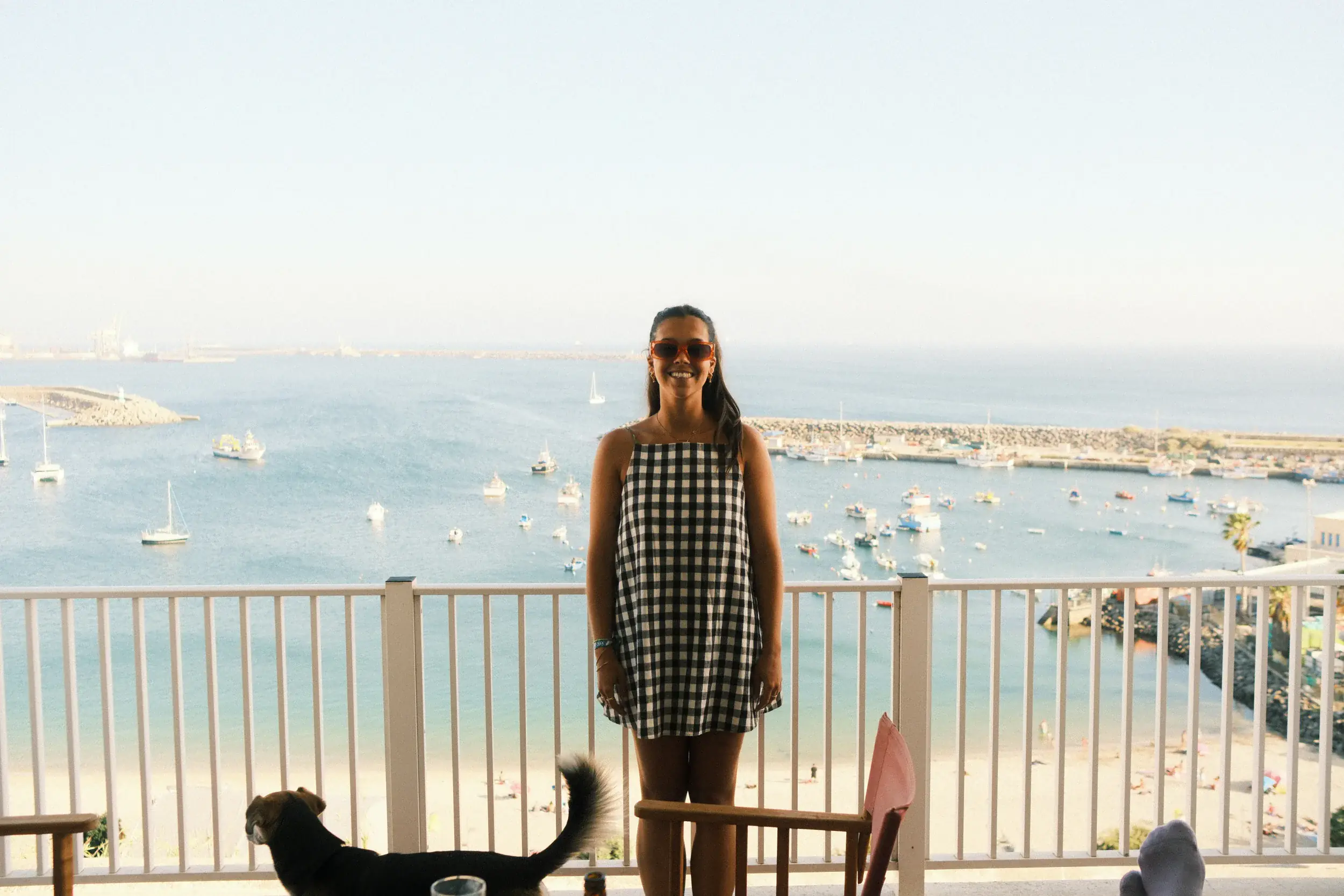
We're still learning, still improving the houses and still exploring what Manas can become.
We'd love to welcome more creative retreats, groups of friends, families and teams who connect with our approach to hospitality.
We also want to keep developing our skills, working with local craftspeople and preserving the character of the family homes that made this project possible.
There are still renovations to finish, furniture to restore and plenty of ideas that haven't made it beyond the notebook.
Sometimes it feels like we have more plans than we could fit into a lifetime.
But that's also one of the things we love most about this project.
Four years later, Manas looks very different from the idea we started with. And I think that's one of the things I'm proudest of.
We allowed it to change.
To everyone who's stayed with us, helped with a renovation, shared a meal, worked alongside us, followed our journey or simply cheered us on: thank you.
Happy fourth birthday, Manas. Here's to everything still to come. 🤍